Injuries from an active life
Boise is an easy place to stay active, and that means plenty of sore shoulders, cranky knees and tight hips. We see runners training for the Race to Robie Creek, cyclists on the Greenbelt, climbers, skiers from Bogus Basin, weekend softball players and people who simply lifted something heavy at the wrong angle.
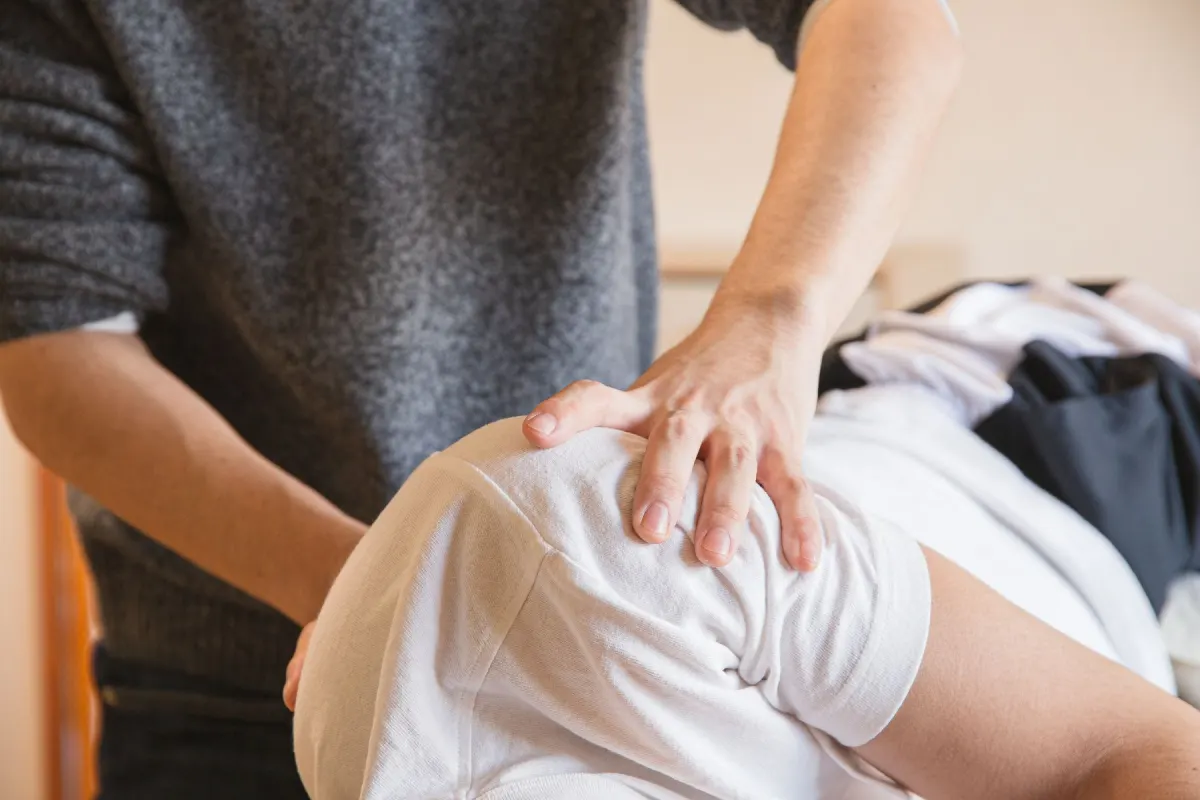
Common problems include rotator cuff irritation and shoulder impingement, tennis and golfer’s elbow, hip and IT band pain, runner’s knee, shin splints, plantar fasciitis and ankle sprains that never quite settled.
How we assess it
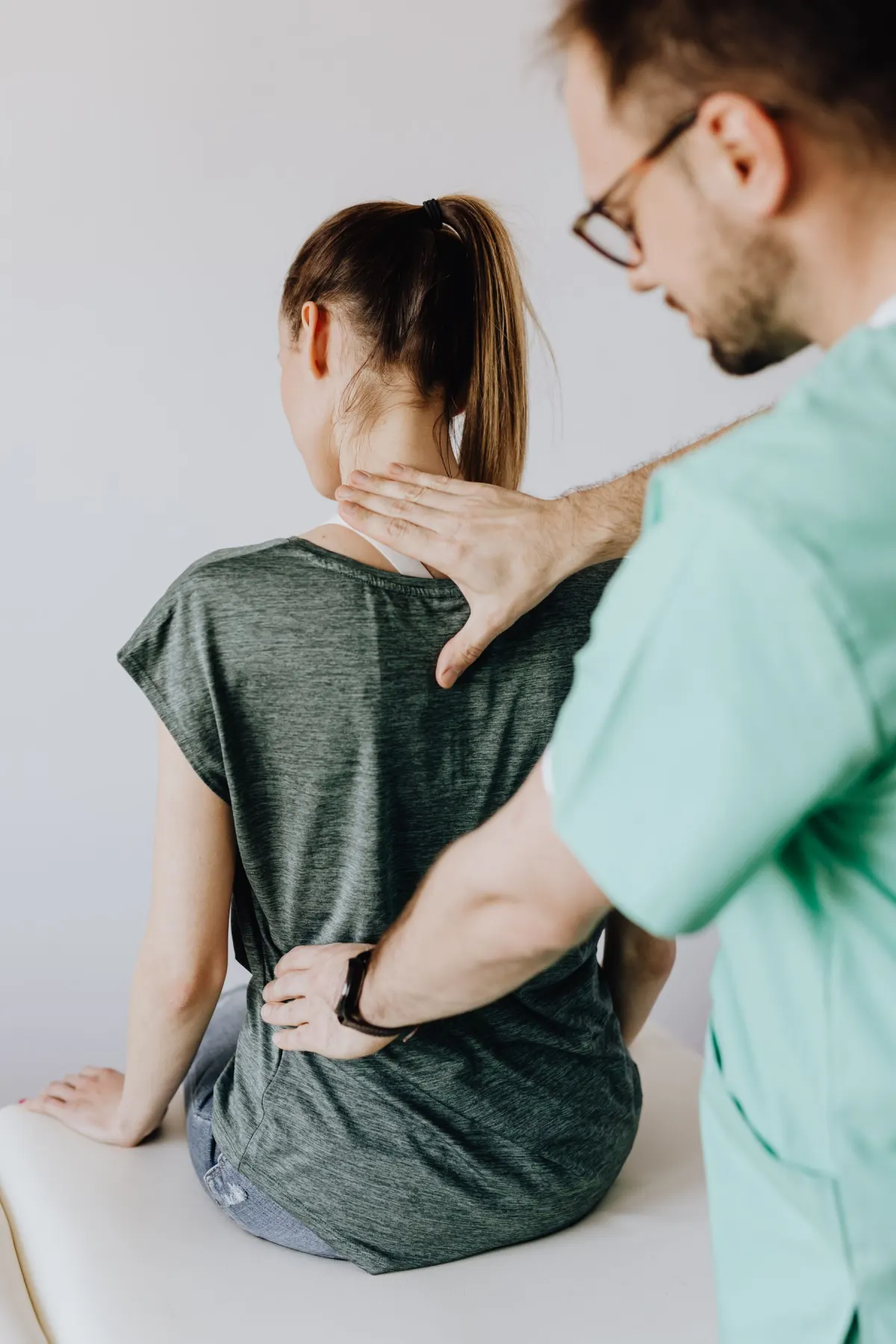
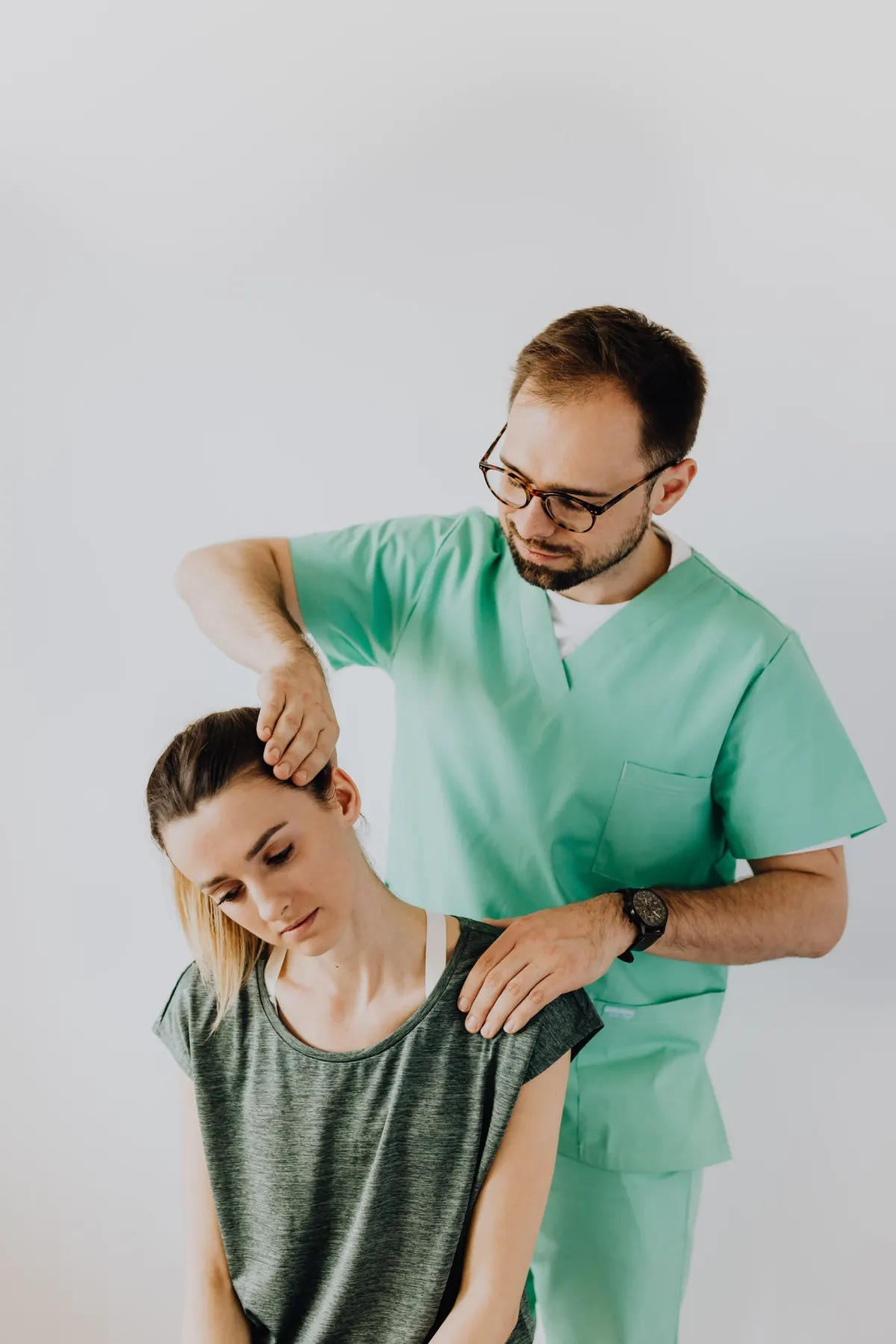
We ask what you were doing when it started, what your training or activity looks like now, and what you want to get back to. Then we test how the injured area moves, how strong it is, and how the joints above and below it are working, because a sore shoulder is often linked to a stiff upper back, and a sore knee to a weak hip.
Dr. Qureshi is a certified chiropractic sports physician and spends much of his week on these injuries. If an exam suggests a tear or anything that needs imaging or a surgeon’s opinion, we refer you promptly.
How we treat it
Your plan combines hands-on care with a clear progression back to your sport or activity:
- Joint mobilization and adjustments for stiff joints in the spine, shoulder, hip or foot
- Soft tissue work, including instrument-assisted techniques, for tight or overworked muscles and tendons
- Kinesiology taping where it helps you keep training comfortably
- Strength and control exercises that address why the injury happened, not just where it hurts
- A return-to-sport plan with clear milestones, so you know when it is safe to run, lift or throw again
How long it takes
Many sports injuries improve noticeably within three to six visits, especially when they are treated early. Tendon problems that have been building for months take longer, because tendons adapt slowly. We set measurable goals, such as pain-free overhead reaching or a thirty-minute run, and re-test them regularly so you can see your progress.
Staying injury-free
Most sports injuries come from doing too much too soon, rather than from one bad movement. Once you are back to full activity, we help you plan training so the load builds steadily, usually by no more than about ten percent a week, with lighter weeks built in.
We also show you a short warm-up and a handful of strength exercises for the areas you tend to injure. Ten to fifteen minutes, two or three times a week, is often enough to keep an old shoulder or knee problem from returning. Many of our athletes check in once before a big race or season, so we can spot stiffness or weakness early and adjust their plan before it becomes an injury.
When to see us
Book a visit if an injury is stopping you from training, if the same problem keeps coming back, or if you want a plan before a big event. We can often see new injuries the same day. No referral is needed.